
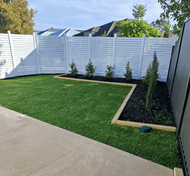
Contemporary Garden Fence Styles for Architecturally Designed Homes
Posted by Lee Benson on 31st Aug 2026
Architecturally designed homes are all about considered details. There’s everything from the materials and proportions of the building to the landscaping outside. Everything tends to work together as part of one cohesive design. The fence should really be no different. A good tip is to use boundary fencing to reinforce the home's architecture, frame planting, create privacy and add another layer of visual interest.
Within that goal, the challenge is finding a style that feels contemporary without looking like it will date in five years. Here at Outback Fencing, we’re purveyors of all types of traditional and contemporary fencing styles. From sleek slats and battens to traditional profiles with a modern twist, we offer plenty of ways to create a boundary that belongs with the home. Here are some of the best garden fence ideas for architecturally designed properties.
Start With the Architecture
Before choosing a fence, take a moment to really consider your home's existing design. Is it minimalist and geometric, warm and textural or inspired by traditional architecture? For a contemporary home, the clean lines of PVC fencing can complement simple façades without competing with them. Similarly, streamlined metal or timber-look fencing can echo materials already used around the property.
You don't necessarily need to match the house exactly. Contrasting materials can create an interesting visual relationship, provided there is some connection through colour, texture or form. For example, a dark fence can pick up the colour of window frames, while warm timber tones can soften a concrete or rendered exterior. The goal is to make the fence feel like part of the original design rather than something that was added after everything else was finished.
Embrace Clean Lines
Contemporary fencing tends to favour simplicity. Strong horizontal and vertical lines can complement the geometry found in modern architecture while creating a sense of order within the garden. This makes slatted and battened designs particularly versatile. Narrow gaps between boards can provide partial screening while allowing light and air to pass through, creating a boundary that feels substantial without being completely enclosed.
If privacy is important on your street, full privacy PVC fencing can provide a solid visual barrier around backyards, entertaining spaces or other secluded areas. The advantage of choosing a simple design is that it gives the rest of the property room to breathe and instead of becoming the dominant feature, the fence can quietly reinforce the home's architectural character.
Use Fencing as a Design Feature
Some corners of design try to hide features like fences and encourage them to fade into the background. On some architecturally designed properties, the boundary can become an important design element in its own right, though. For example, repeated vertical battens can create rhythm and visually connect with architectural screening, windows or pergolas. Aluminium blade fencing is particularly suited to this approach, offering a structured appearance that works naturally with contemporary homes.
A fence can also frame an entrance or highlight a particular section of the garden. Instead of thinking of it simply as a barrier, consider how it interacts with the front path, driveway, planting and facade. Even a relatively simple fence can have a significant visual impact when its proportions and positioning have been carefully considered.
Balance Privacy With Openness
A completely enclosed garden can feel secure and secluded, but it can also make an outdoor space feel smaller, so think about how much privacy you actually need. This is especially noticeable in compact urban gardens, where every sightline matters. A semi-open design can provide a useful middle ground. Slats or battens can restrict direct views while still allowing sunlight and glimpses of greenery through the boundary.
PVC post and rail fencing is perfect for larger or rural properties which can establish a clear boundary without blocking views across the landscape. This makes it useful where openness is an important part of the property's character. You can also combine fencing with planting. Hedges, grasses, climbers and screening plants can soften a hard boundary while providing additional privacy as they mature.
Give the Front Fence Extra Attention
The front garden and boundary fencing deserve extra consideration because it shapes the first impression of the home. When exploring and applying your front yard fence ideas, look at the relationship between the fence, driveway, entrance and landscaping. A fence that works beautifully around the backyard may feel completely out of place at the front.
Lower fencing can make a garden feel open and welcoming, while taller screening can create greater privacy from the street. The right height will depend on the property's architecture, streetscape and practical requirements. Modern homes work well with restrained colours and uncomplicated forms, as a simple fence can provide a strong frame for carefully considered planting without overwhelming the facade.
Match the Fence to the Garden
So far, we’ve looked at how a fence can complement the building, but it should also work with the landscape. This is especially important for properties where the garden has a strong design identity. A minimalist garden might call for a crisp, understated boundary, while a more relaxed landscape could benefit from natural textures or a softer profile.
If you're by the ocean, fencing for coastal garden design can be used to reinforce a relaxed outdoor aesthetic while creating practical boundaries around the property. Think about the planting palette, paving, retaining walls and outdoor structures when choosing the fence. Repeating materials or colours across these elements can make the entire outdoor area feel more cohesive.
Consider Maintenance Before You Commit
The material you choose for your fencing may become your best friend or worst enemy when it comes to its upkeep. Painted timber may require periodic work, while other materials can offer a more straightforward approach for homeowners who would rather spend their weekends enjoying the garden.
Look at how the fence will cope with exposure to sun, rain, wind and general wear, as well as how easy it will be to clean and maintain. Aluminium slat fencing can suit homeowners looking for a crisp, contemporary appearance alongside a practical outdoor material. Colorbond fencing is a product designed to last for years on years without much work at all, too.
The same thinking should apply to the rest of the landscape. A truly low-maintenance garden design considers the upkeep required for plants, paving, screening and boundary treatments rather than focusing solely on the garden itself.
Don't Rule Out Traditional Profiles
Contemporary homes don't always require ultra-modern fencing. In fact, traditional fence styles can work extremely well when they reflect the architecture of the property. Character homes, heritage-inspired builds, post-war Australian homes and contemporary extensions can all benefit from a more classic boundary. Colonial picket fencing can provide a neat, structured frontage that complements traditional architectural details without feeling overly elaborate.
For a particularly classic look, white picket fencing remains a familiar choice. It can be paired with contemporary landscaping, restrained planting and modern exterior colours to create an interesting contrast between old and new. The important thing is consistency. Traditional fencing works best when it connects with something else in the property's design.
Think Beyond the Boundary
Fencing can also help organise how an outdoor space is used. Consider using screens or smaller sections of fencing to create distinct zones for entertaining, relaxing, gardening or storing equipment. This approach can make large garden fencing feel more purposeful while giving smaller gardens a sense of structure.
Good functional landscaping considers how people actually move through and use the space, and fencing can play a surprisingly important role in that process. It can also conceal bins, utilities and less attractive areas while directing attention towards the garden's best features.
Choosing for Longevity is Always a Good Idea
There will always be new fencing trends, but a boundary is a relatively permanent part of a property. Choosing something simply because it is fashionable today may leave you wanting to replace it sooner than expected. Consider the architecture, surrounding landscape and practical needs of the property.
Looking at common garden styles can provide inspiration, but the final choice should feel specific to your home. If you live in regional areas, an appropriate boundary can boost the value of your rural property by improving presentation, defining the land and complementing the surrounding landscape.
Ultimately, the best modern fence should feel like a natural extension of the architecture and garden, providing privacy, structure and practicality while making the entire property look more considered.