Tips for Using Outdoor Planter Boxes for Thriving Gardens
Posted by Lee Benson on 29th Jan 2026
Planter boxes have become a staple of modern Australian gardens. Think of planter boxes as a mini raised garden bed kit. They offer many of the same advantages, like improved soil control, better drainage and ease of access, but in a more compact, versatile format. From compact courtyards and balconies to large backyards, front yard landscaping and commercial landscapes, they offer flexibility and a cleaner way to grow healthy plants.
What’s more, they’re perfect for whatever you want to grow – maybe you’re growing herbs, flowers, screening plants or small trees. The right planter box and setup can make all the difference.
Here at Outback Fencing, we’re purveyors of all things outdoor materials, and we work hard to provide the best, innovative solutions to keep your backyard looking good and adding value. Below, we break down practical, proven tips to help you get the most out of outdoor planter boxes and why choosing the right material, like PVC planter boxes, is key to long-term success.
Why Raised Planter Boxes Are a Smart Choice for Australian Gardens
Raised planter boxes give you greater control over your growing environment. Instead of battling compacted, nutrient-poor or reactive soil, they let you customise soil quality, drainage and positioning. This flexibility is especially valuable in Australian conditions, where clay-heavy soils, high temperatures and limited space can make traditional gardening challenging. This applies whether you're gardening and building in the bush or urban Australian climates – the whole country faces extreme conditions throughout the year.
Elevating plants above ground level also improves accessibility, helps manage root growth, and allows gardens to flourish in paved or built-up areas. For residential or commercial landscapes, raised planter boxes create a clean, structured finish that feels both modern and timeless.
How to Make the Most of Outdoor Planter Boxes
Choose the Right Planter Box Material
One of the most common mistakes gardeners make is focusing only on looks rather than long-term performance. While aesthetics are important, durability and maintenance requirements are what truly define satisfaction over time.
The Problem with Traditional Timber
Timber planter boxes can look stunning when first installed, especially when painted in crisp whites or soft neutrals that suit a modern or coastal garden design. However, once exposed to constant moisture, soil contact and the harsh Australian climate – from heatwaves to salty storms – timber often begins to deteriorate.
Over time, plant roots naturally seek moisture and space, growing into joints and small gaps in the timber. As roots expand, they can force boards apart, cause splitting and eventually burst the structure from the inside out. Combined with warping, cracking, rot and peeling paint, this leads to ongoing maintenance issues and, in many cases, premature replacement.
Why PVC Planter Boxes Are a Better Investment
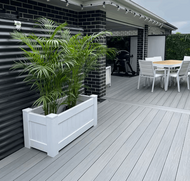
PVC planter boxes combine practical durability with refined elegance, making them an ideal solution for Australian gardens. They deliver the classic painted timber look without the structural vulnerabilities. Resistant to moisture, UV radiation and temperature fluctuations, PVC won’t warp, rust or rot, and it requires minimal maintenance, with no sealing, repainting or regular repairs needed.
For property owners who value long-lasting beauty, PVC planter boxes not only hold their shape and colour over time but also add a Hamptons-inspired charm. Their clean lines, subtle textures and soft neutral tones complement almost any common garden design style, from modern urban courtyards to coastal retreats. Maybe you want to pair them with lush greenery, ornamental grasses, an Australian native garden or flowering plants. Whatever your style, PVC planters introduce an elevated, sophisticated touch that works seamlessly with timber decking, stone pathways or outdoor entertaining areas. In essence, they’re the unsung hero in the toolkit for the art of functional landscaping.
Unlike other plastic planter boxes, investing in PVC planter boxes means enjoying both visual appeal and functional reliability, allowing your garden to flourish year after year without the worry of deterioration.
Position Your Outdoor Planter Boxes for Success
The placement of outdoor planter boxes plays a major role in plant health and growth, but also in appearance. Sun exposure should be carefully considered, as many flowering plants, herbs and vegetables require several hours of direct sunlight each day. Wind exposure can also affect soil moisture levels, particularly in raised planter boxes, so sheltered positions are often preferable.
Practical access to watering is equally important. Positioning raised planter boxes near irrigation points or water sources makes ongoing care easier and more consistent. Drainage direction should also be planned to ensure excess water can escape freely without pooling against nearby structures or paving.
Get the Soil Mix Right
One of the biggest advantages of large planter boxes is the ability to control soil quality. Using the right soil mix supports healthy root development, improves drainage and ensures plants receive adequate nutrients.
While the right soil is always a consideration when designing with garden plants, a high-quality planter box mix should retain moisture while still draining freely and allow sufficient airflow through the soil. Straight garden soil is generally unsuitable, as it can compact and restrict root growth. A balanced blend of premium potting mix, compost and appropriate soil conditioners will produce far better results.
Don’t Skimp on Drainage
Drainage is key to the success of any planter box garden. Without adequate drainage, water can become trapped at the base of the planter, leading to root rot and poor plant health.
Large planter boxes should be designed with sufficient drainage openings and filled with free-draining soil. When installed on hard surfaces, elevating the base slightly can help water escape more effectively. PVC planter boxes are built to support proper drainage while maintaining strength and stability, even when exposed to frequent watering.
Choose Plants That Suit Planter Boxes
Not all plants are suited to confined growing environments. When selecting plants for large planter boxes, it’s important to consider mature root size, growth habits and long-term maintenance needs. Maybe you’re creating a stunning Hamptons-style Aussie garden or a maximalist, native one. Whatever the case, the trick is finding the right plants for the style.
Herbs, flowering plants, compact shrubs, screening plants and even small ornamental trees can thrive in lightweight planter boxes when given adequate depth and spacing. Choosing plants that are well matched to the size of the herb garden planter box reduces stress on root systems and encourages healthier, more consistent growth.
Water Smarter, Not Harder
Outdoor planter boxes tend to dry out faster in warmer months. Consistent and efficient watering is essential to keep plants thriving.
Deep watering encourages stronger root systems, while mulch helps retain moisture and regulate soil temperature. Automated irrigation or drip systems can be especially effective for maintaining consistent moisture levels. Durable materials like PVC ensure that your lightweight planter boxes can handle frequent watering without degradation, unlike timber, which often suffers under constant moisture exposure.
Use Planter Boxes to Elevate Your Landscape Design
Large planter boxes are also powerful design elements. They can be used to create structure, define spaces and introduce height variation into a landscape.
In modern outdoor settings, raised planter boxes are often used to frame entryways, soften fence lines or complement contemporary fencing designs. PVC planter boxes, with their clean and elegant finish, integrate seamlessly into modern landscapes and enhance the overall presentation of a property.
Think Long-Term Maintenance
A thriving garden is built with longevity in mind. When choosing lightweight planter boxes, it’s important to consider how they will perform over time and how much upkeep they will require.
Low-maintenance garden design begins with choosing materials that don’t ask you for much. Materials like PVC reduce ongoing costs and effort, eliminating the need for repainting, sealing or repairs. Much like maintaining and cleaning PVC fencing, keeping these lightweight planter boxes clean is just as easy, with a quick high-pressure spray and a simple wipe being all it takes. This allows property owners to focus on enjoying their outdoor spaces rather than maintaining them, while still achieving a high-end finish.
A Smarter Way to Grow
Planter boxes offer flexibility, control and design impact that traditional planting methods often cannot match. When combined with thoughtful placement, quality soil and durable materials, they support healthier plants and more resilient gardens.
At the end of the day, successful outdoor spaces come down to smart material choices and thoughtful design. The same principles that guide quality fencing products apply here too – durability, low maintenance and long-term visual appeal. Drawing on what works so well with PVC fencing, modern planter boxes can deliver a clean, reliable solution that stands up to Australian conditions while keeping gardens looking sharp year after year. PVC will also shrink your garden spring cleaning checklist, as it takes very little effort to keep it at its best year-round. With the right approach, planter boxes can transform any outdoor space into a thriving, attractive garden built to last.